
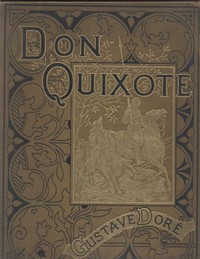
The History of Don Quixote, Volume 1, Part 08 by Miguel de Cervantes Saavedra
Okay, let's catch up. Don Quixote, the self-proclaimed knight-errant, and his grounded squire, Sancho Panza, are still wandering the Spanish countryside. Quixote sees castles and armies; Sancho sees inns and sheep. Their dynamic is the heart of the book—one lives in a storybook, the other is constantly dragged into it, usually against his better judgment.
The Story
In Part 08, their journey takes a sharp turn. They encounter a line of convicts, chained together and guarded by officers, being forced to serve the king. Quixote, ever the champion of justice (as he understands it), is horrified. He demands to know each man's crime, listening to stories of theft, pimping, and poetry (yes, one claims he's in chains for writing verses). Convinced they are victims of a cruel system, Quixote attacks the guards and frees the prisoners. He commands them to journey to his lady, Dulcinea, and tell her of his heroic deed. The freed men, of course, have no intention of doing this. Instead, they pelt Quixote and Sancho with stones, steal Sancho's donkey and Quixote's fancy basin-helmet, and scatter into the wilderness. Our heroes are left battered, robbed, and utterly defeated by the very people they tried to save.
Why You Should Read It
This section is a masterclass in tone. It starts with that classic Quixote humor—the lofty speeches, Sancho's grumbling, the absurdity of freeing criminals. But the punchline is brutal. The laughter dies in your throat. It’s the moment where Quixote’s fantasy isn't just mocked; it's violently rejected by the world. It’s heartbreaking. You realize Cervantes isn't just making fun of a madman; he's showing how dangerous and isolating it can be to live by a code in a world that doesn't share it. Yet, even in his humiliation, there's a strange nobility to Quixote's failure. He tried to do good, however foolishly. That complexity is what makes this 400-year-old story feel so modern.
Final Verdict
This isn't just for classic literature fans or students. This is for anyone who loves a story that can make you snort-laugh on one page and sit in quiet reflection on the next. It's perfect for readers who enjoy rich characters, sharp social commentary wrapped in comedy, and stories that explore the messy line between madness and idealism. If you've ever rooted for the underdog, even when he's completely wrong, you'll find a friend in Don Quixote.
You are viewing a work that belongs to the global public domain. Use this text in your own projects freely.
Thomas Miller
2 months agoEnjoyed every page.
Christopher Moore
7 months agoThe layout is very easy on the eyes.






Carol Harris
1 year agoGreat digital experience compared to other versions.