
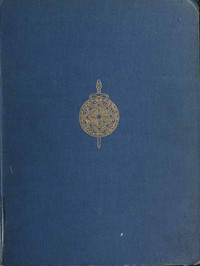
The Pipes of War by Sir B. G. Seton and John Grant
Forget the dry history lectures. 'The Pipes of War' is a collection of firsthand accounts, letters, and official reports that tell the story of the Scottish pipe majors and pipers in World War I. It was compiled by two men who were there: Sir Bruce Gordon Seton and Pipe-Major John Grant.
The Story
The book doesn't have a single plot. Instead, it's a mosaic of moments. You'll read about pipers leading battalions 'over the top' during major offensives like Loos and the Somme, the skirl of the pipes meant to bolster courage and drown out fear. You'll meet men like Piper Daniel Laidlaw, who played his regiment forward through gas and shellfire at Loos, and Pipe-Major John MacDonald, who was ordered to play during the landing at Gallipoli. The stories range from acts of incredible bravery to quiet moments in the trenches, where the familiar sound of a pibroch was a powerful link to home. It also doesn't shy away from the cost, detailing the heavy casualties among these exposed musicians.
Why You Should Read It
This book got under my skin. It makes the war feel immediate and personal. You're not reading about a faceless army; you're reading about Jimmy or Robert who picked up his pipes in the mud. The central theme is the strange, powerful role of music in extreme violence. These pipers weren't just musicians; they were a psychological weapon and a vital symbol of morale. Their courage is almost beyond understanding—walking into fire, making themselves a target, all to keep playing. It reframes the idea of a 'war hero' in a profound way. The writing is straightforward, often in the soldiers' own words, which makes it all the more powerful.
Final Verdict
This is a must-read for anyone interested in World War I, military history, or Scottish culture. It's also perfect for readers who prefer real stories about real people over sweeping historical narratives. It's not a light read—the subject matter is heavy—but it's a short, focused, and incredibly moving one. You'll come away with a deep respect for these men and a new understanding of how humanity clings to art and tradition, even in its darkest hours.
This work has been identified as being free of known copyright restrictions. It is now common property for all to enjoy.




Emily Davis
1 year agoMy professor recommended this, and I see why.